SUSTAINABLE FARMING
At MOREHAVEN FARM in Stamping Ground, Kentucky, our year follows the rhythm of the land and our Dexter cattle. Every season has a purpose — and every decision is made with intention, stewardship, animal health, and generational sustainability in mind.
OUR ANNUAL CYCLE
Winter ❄️ | Spring 🌱 | Summer ☀️ | Fall 🍁
January–March | Winter Stewardship ❄️
Winter is a season of care and preparation.
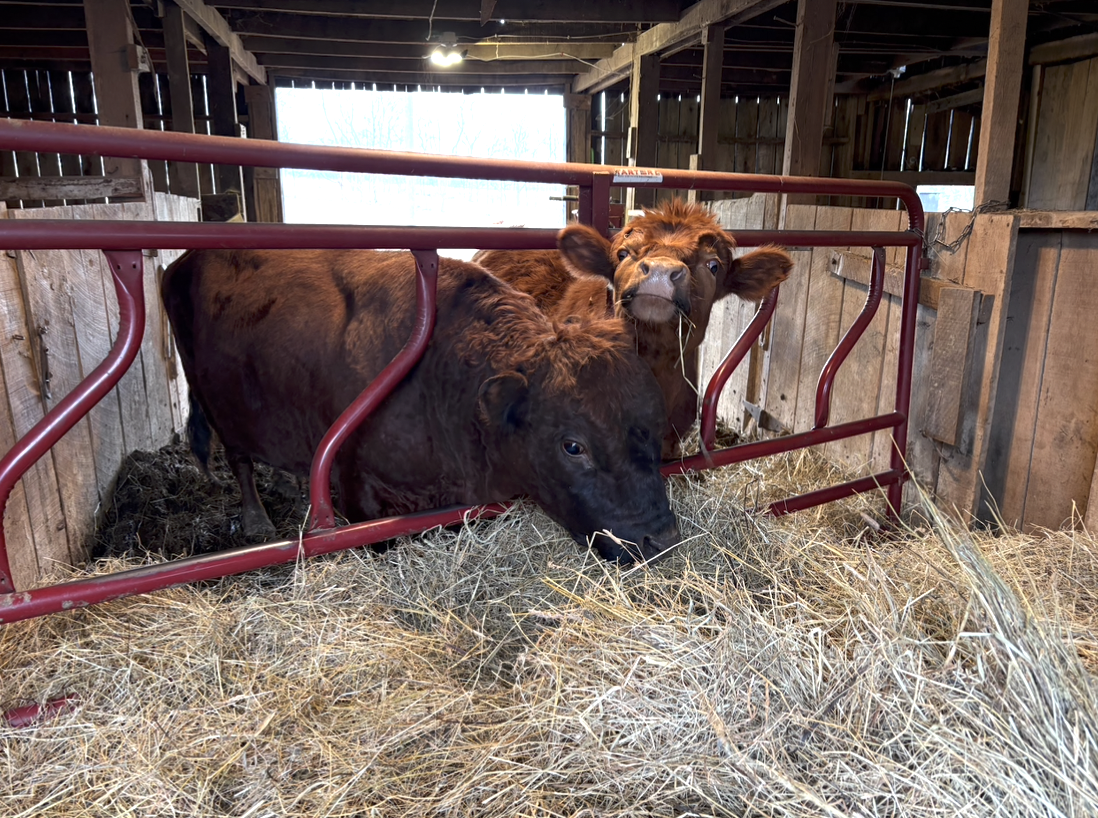
Bulls are separated in the bullpen and stable.
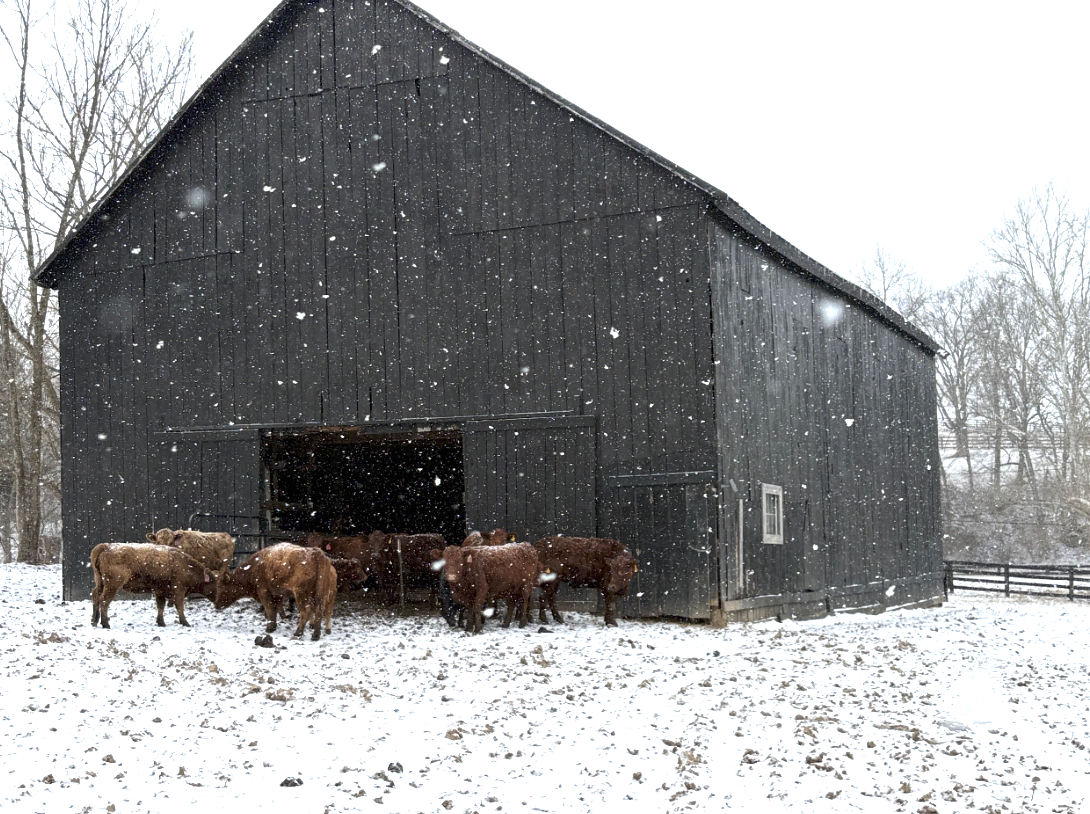
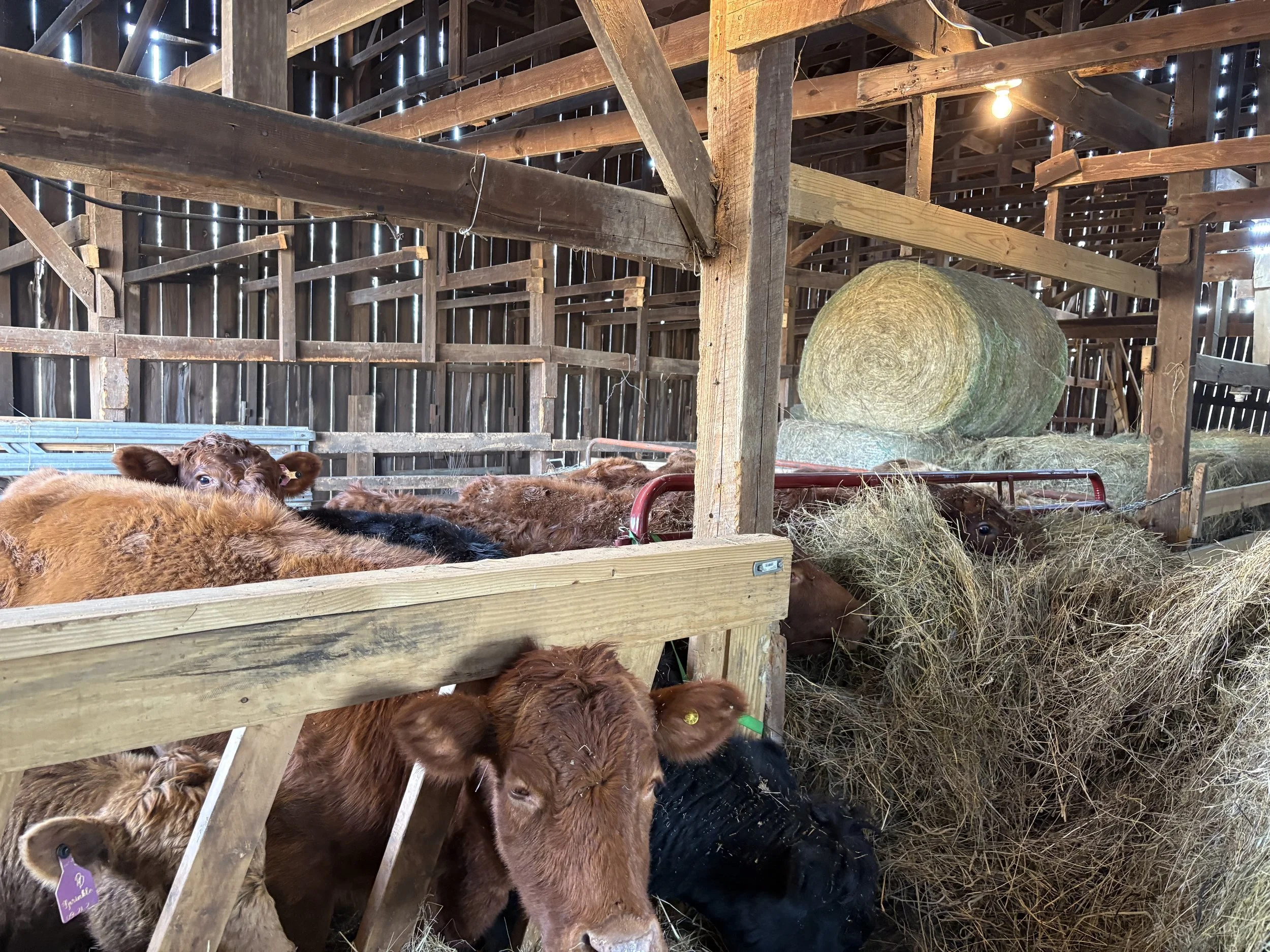
Cows, heifers, and calves stay on the winter pasture closest to the barns and houses.
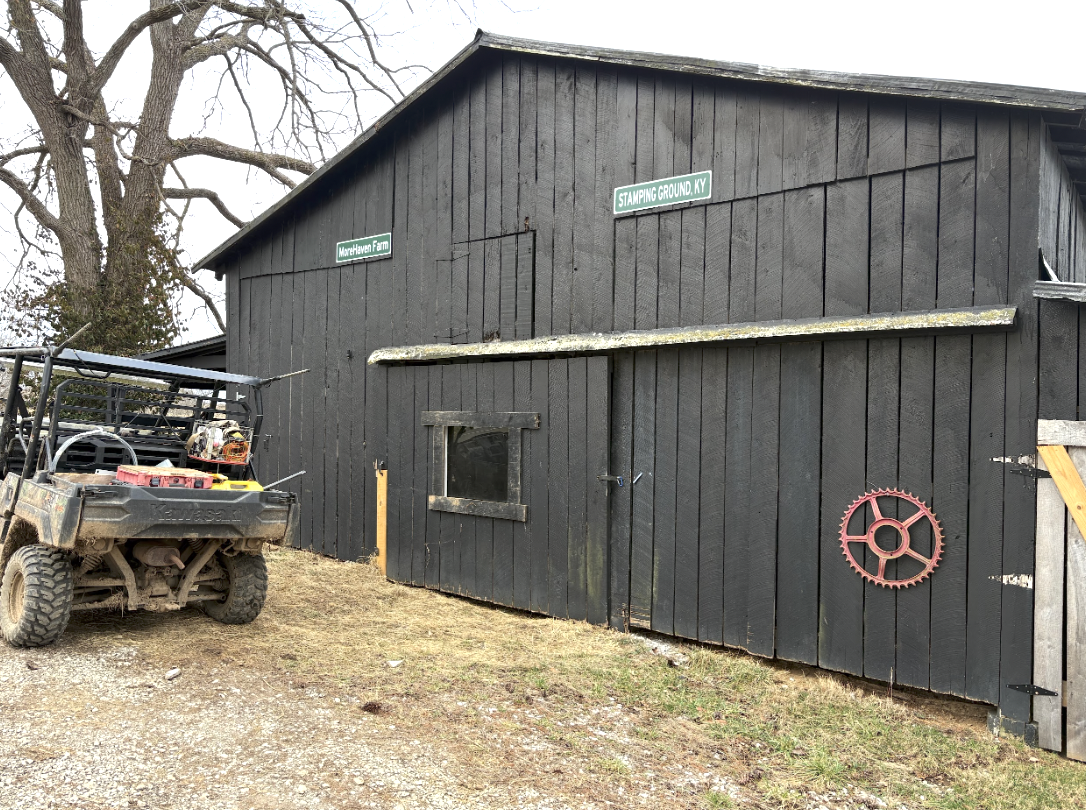
We’ve stored hay grown on our farm in a converted tobacco barn where they feed and shelter in the winter.
Natural mineral supplements are offered free choice.
Fresh water is supplied by an automatic waterer serving both the bullpen and winter pasture.
Spring vaccines and pregnancy checks are completed on-farm before mid-March turnout.
Bedding Pack System
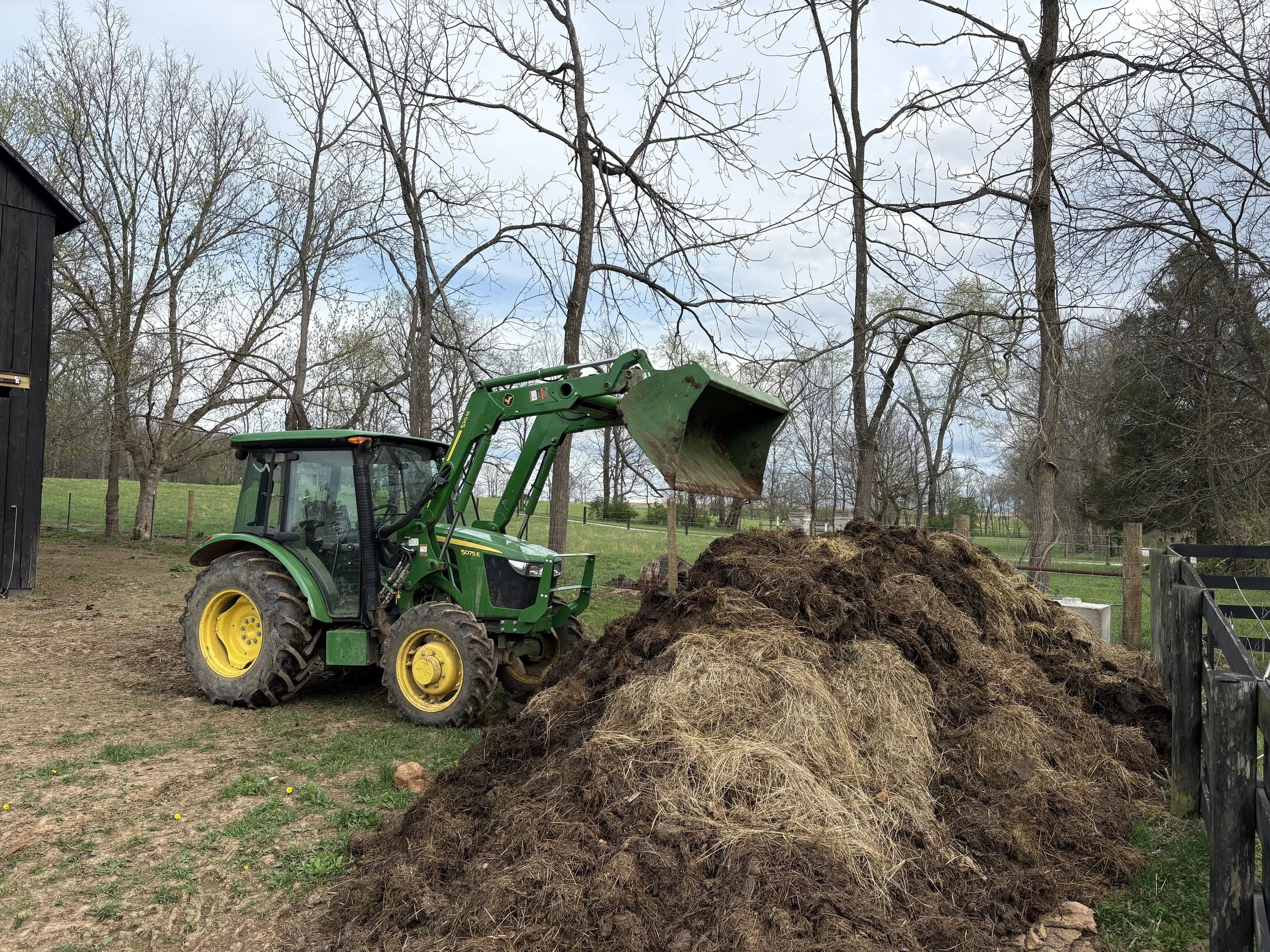
Throughout winter, the bedding pack is refreshed weekly. By spring, it becomes nutrient-rich compost — returning fertility to our fields.
April–June | Grass & Growth 🌱
With spring comes grazing season.
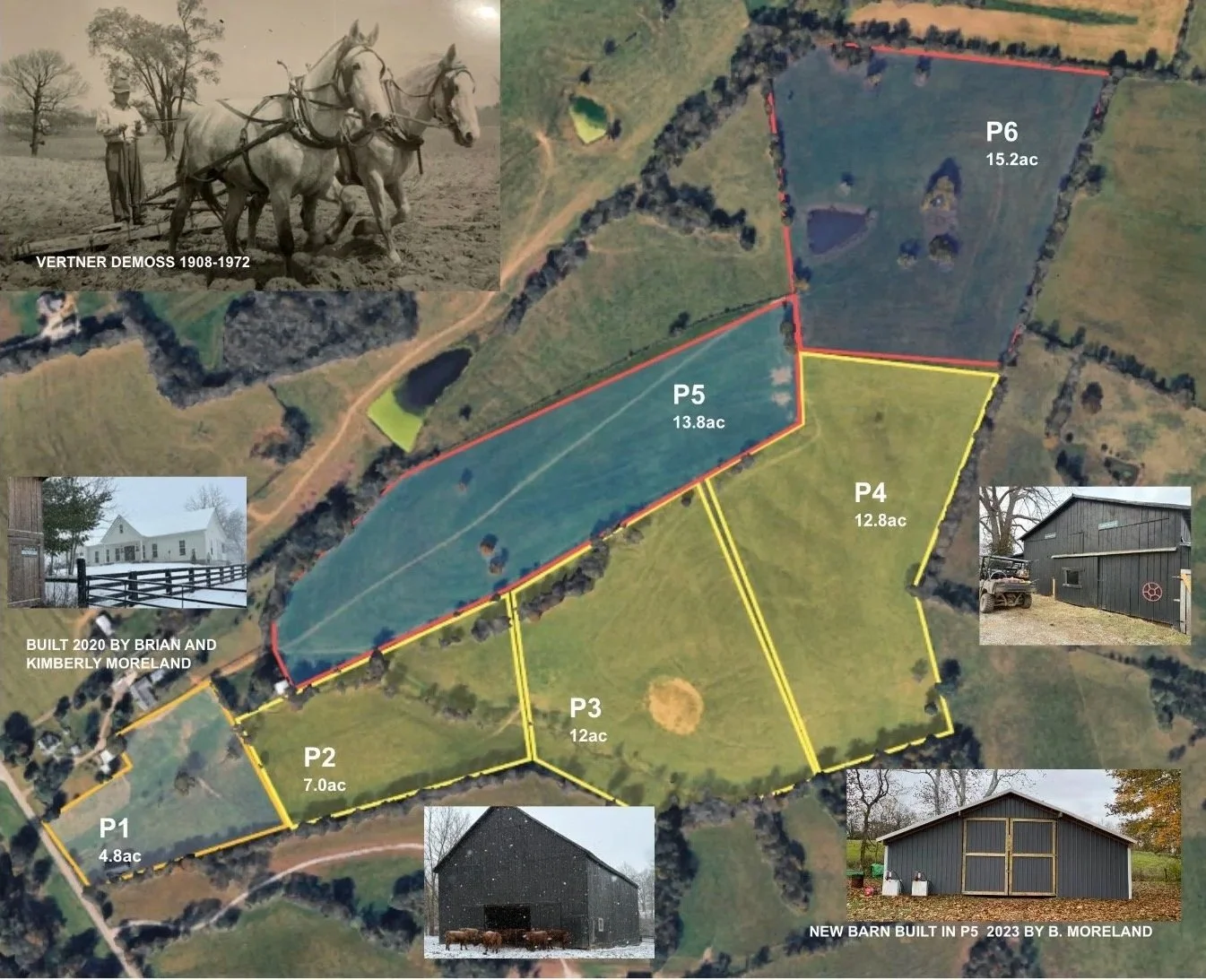
Cows rotate through four eastern pastures.
Bulls remain separate while yearling heifers mature (minimum 15 months before breeding).
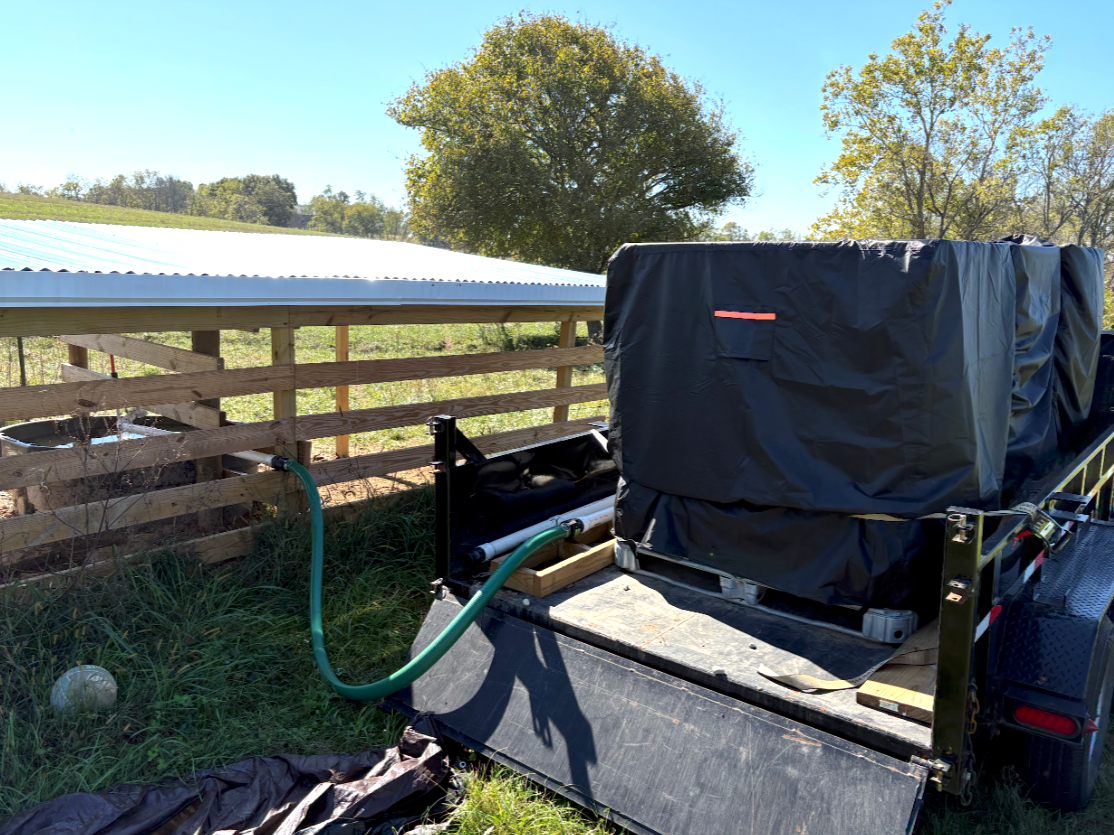
Fresh water is hauled weekly to outer pastures.
Winter compost is moved out to finish curing in the sun.
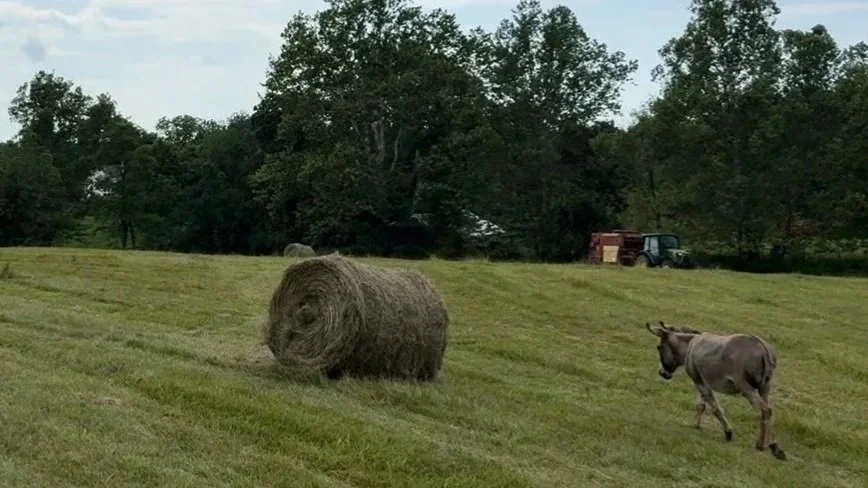
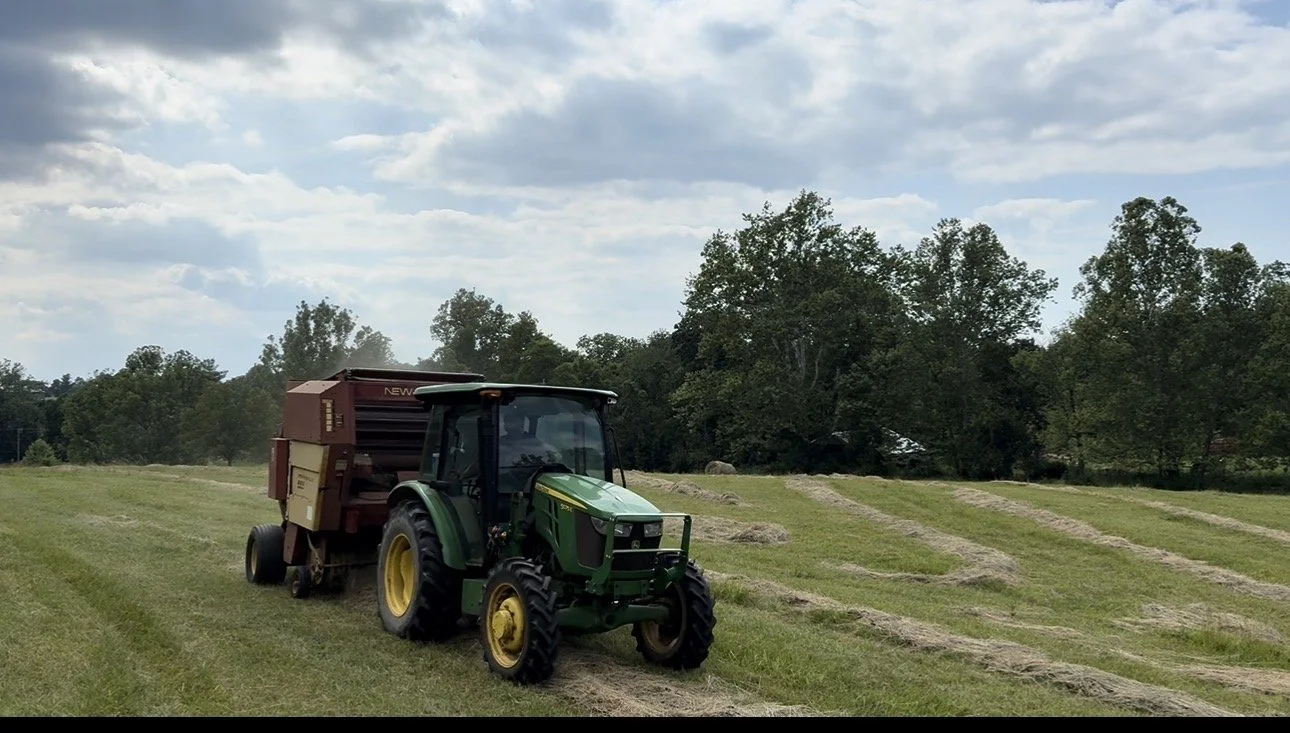
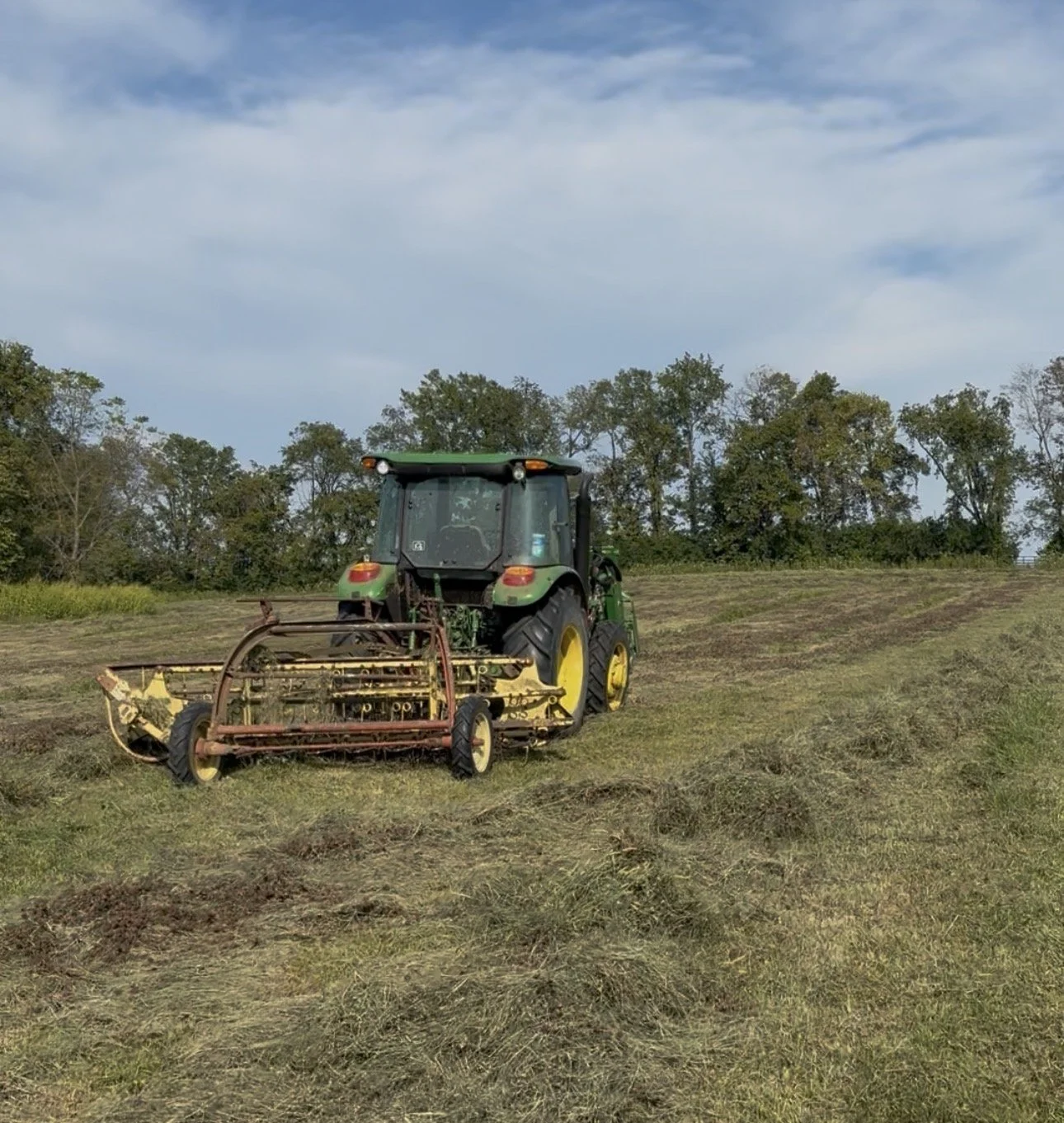
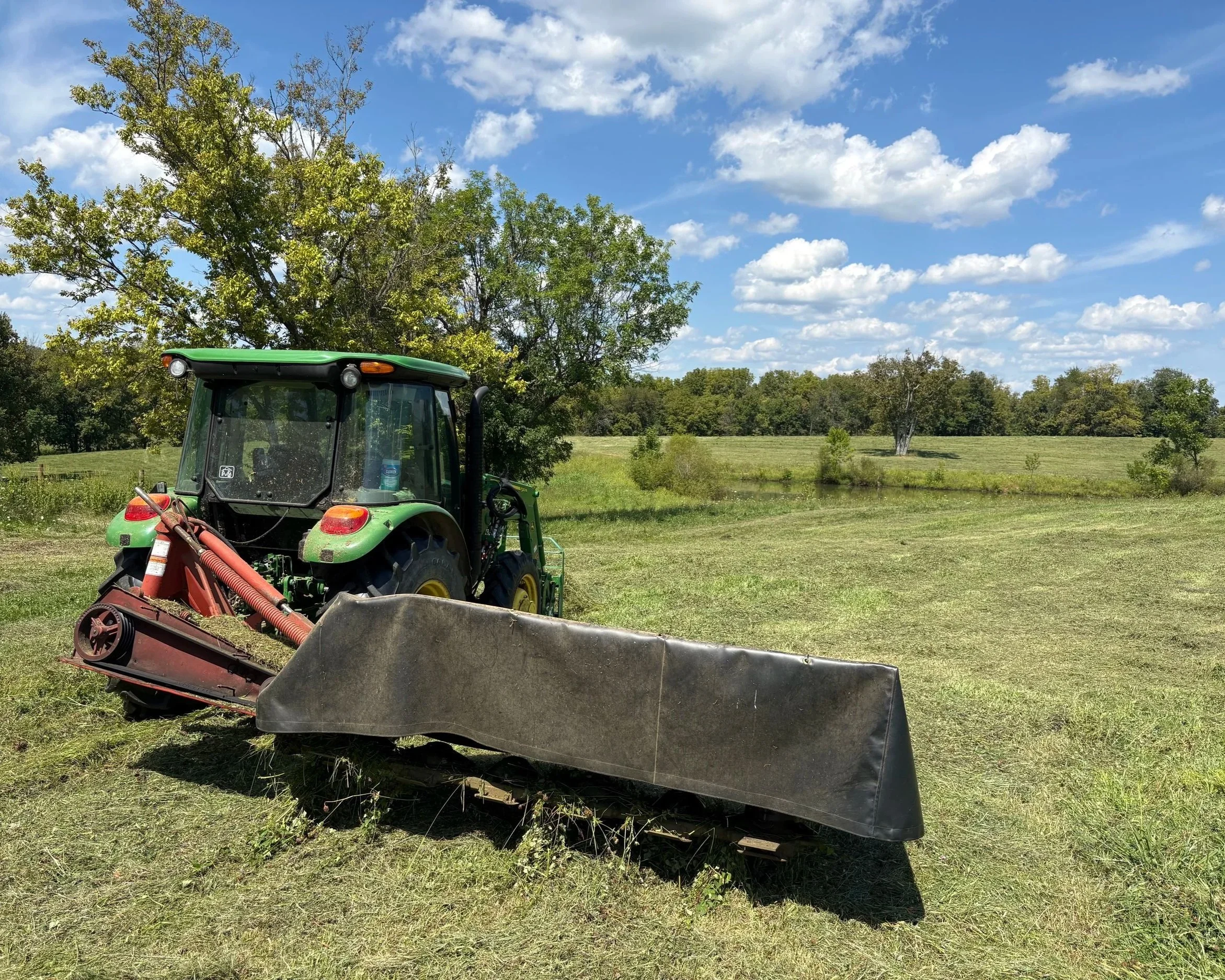
As our herd grows, we are transitioning to baling our own hay to remain self-sufficient and avoid outside inputs.
The first cutting of hay typically occurs in early June.
July–September | Pasture & Preparation ☀️
Summer is about pasture health and herd monitoring.
Continued rotational grazing to maintain strong forage.
Every pasture includes wooded areas or shelters for shade.
Second and third hay cuttings.
Finished compost is spread on hay fields as natural fertilizer.
Fall vaccines and health checks.
Close monitoring of pregnant cows as the September–October calving approaches.
October–December | Calving & Breeding 🍁
This is our most active and rewarding season.
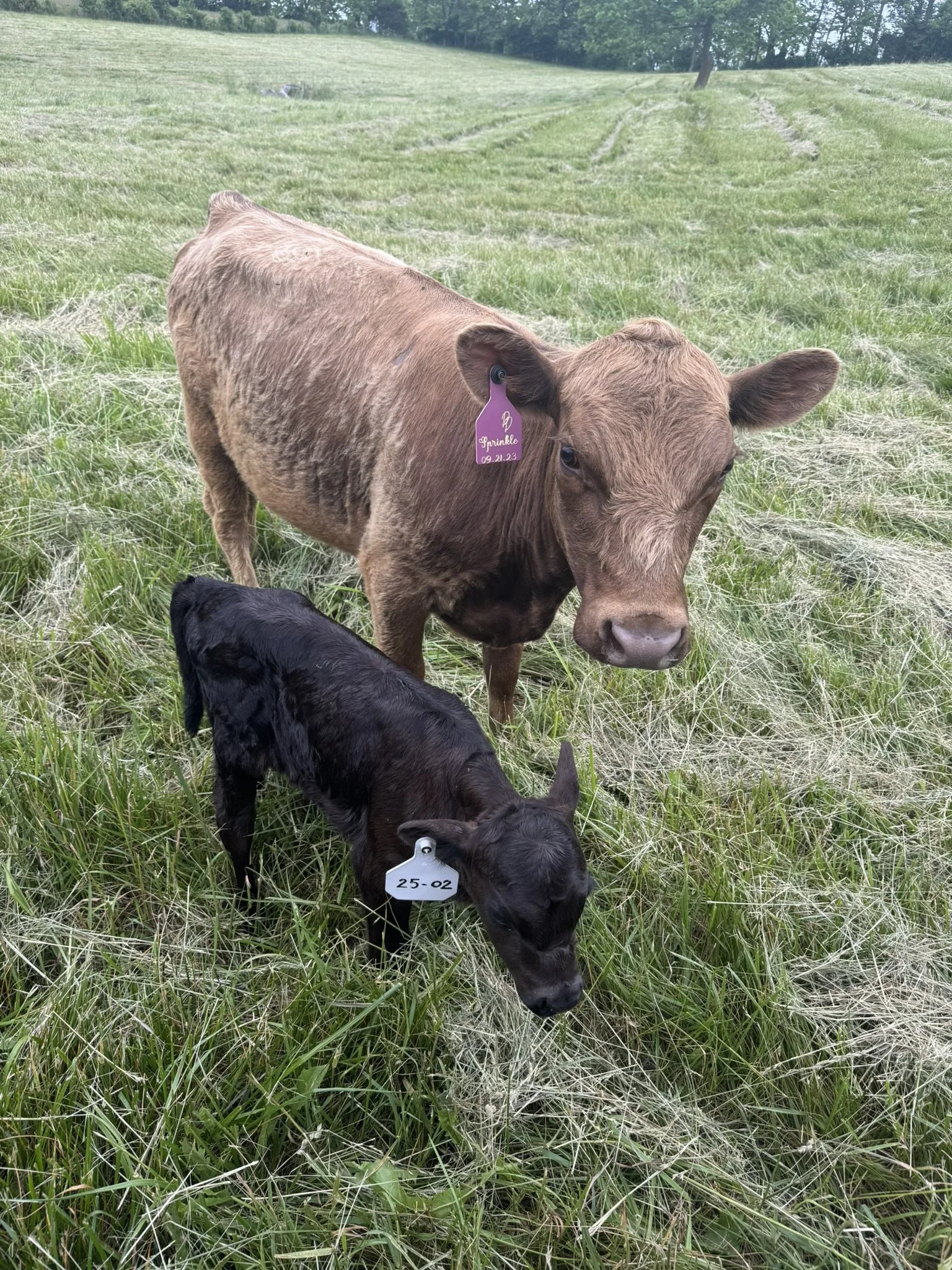
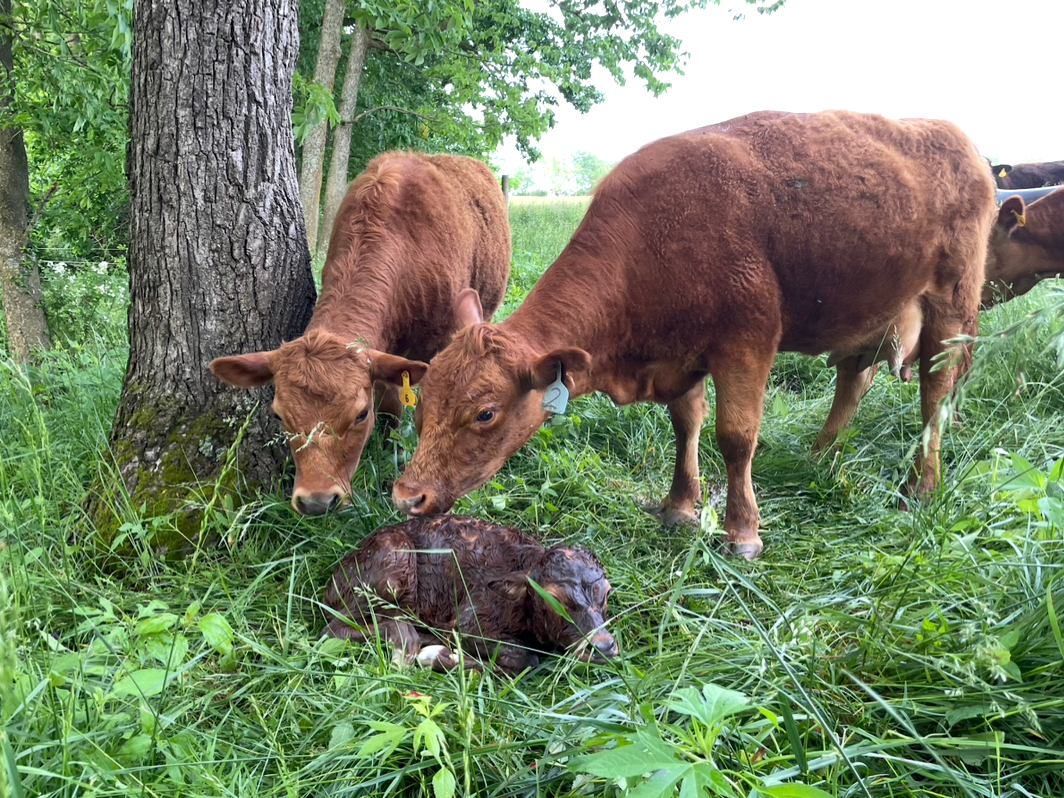
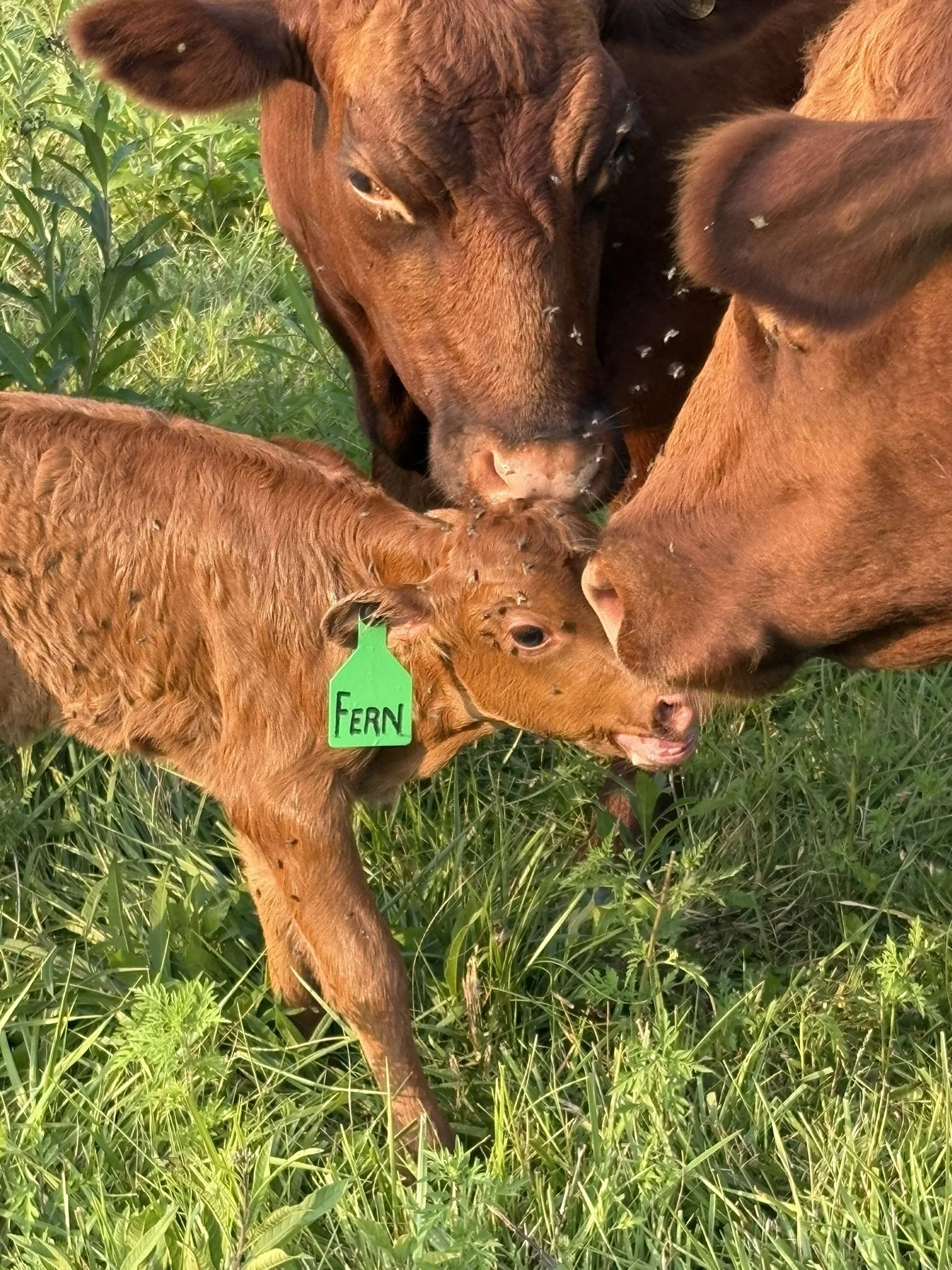
Calves are born in September–October.
New calves receive health checks.
Bull calves are banded at approximately 60 days.
November–December: bulls are reintroduced for breeding.
Mid-November: herd transitions from pasture back to winter quarters.
A defined breeding and calving season keeps our herd uniform and predictable — which means consistent beef quality year after year.